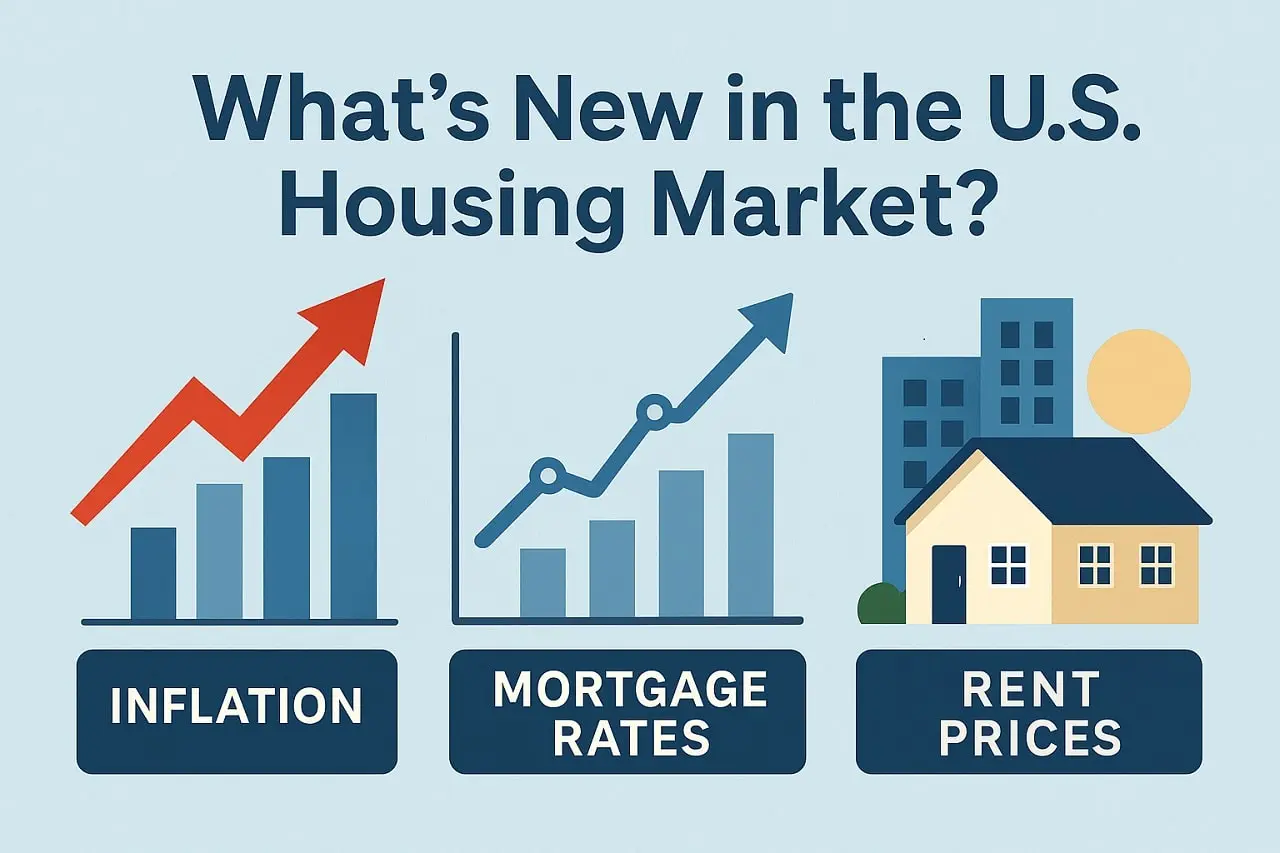
In a recent CNBC interview, Don Peebles, founder and CEO of The Peebles Corporation, offered a sobering look at what’s weighing down the U.S. real estate market in 2025. With properties in major cities like New York, D.C., Miami, San Francisco, and Los Angeles, Peebles certainly has a broad perspective, and his one major concern: interest rates.
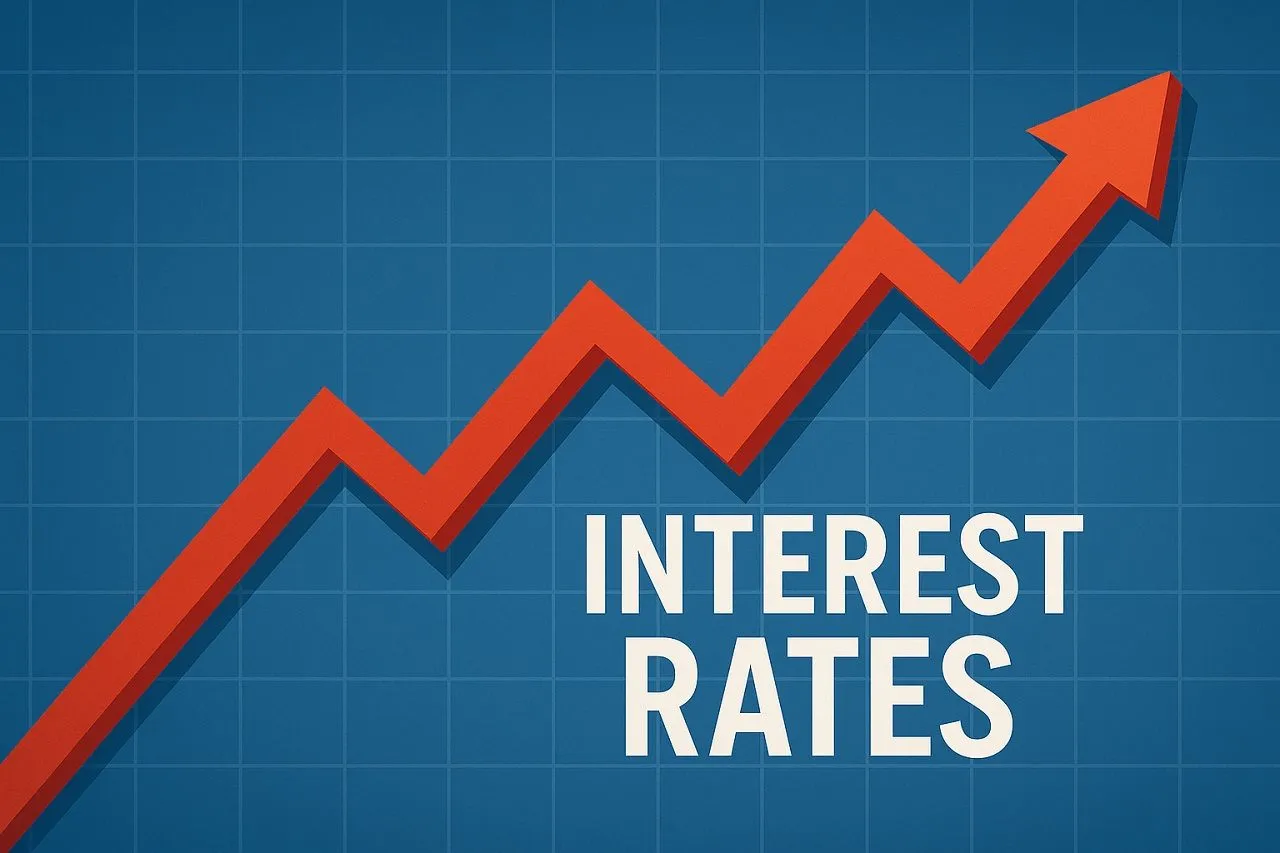
“Interest rate is the biggest headache,” Peebles said. “Interest rate is nearly triple so average homeowner or home purchaser cannot afford to buy anymore.”
According to Peebles, the combination of skyrocketing interest rates, higher insurance premiums, and increased property taxes has drastically affected housing affordability. In his view, buyers today are paying three times what they would have paid for the same home just a few years ago. That’s creating ripple effects across the industry, including a noticeable decline in multifamily housing starts.
A Split Market: Luxury and Affordable Housing Still Moving
While the middle segment of the market, the working affluent and the middle class, is feeling the squeeze, Peebles notes that the ultra-luxury and affordable housing sectors are still seeing movement.
His company is launching a new project in Miami Beach: an ultra-luxury boutique condominium hotel located in an area where single-family homes are selling for $35–50 million.
On the other end of the spectrum, Peebles says the demand for affordable housing remains incredibly strong. His Legacy development arm has a pipeline of 5,000 units and is continuing to grow.
“There’s a backlog of about 7.5 million affordable units,” he noted.
What It Means for the Market
This bifurcation, where high-end and affordable housing thrive while the middle suffers, mirrors broader affordability issues across the country. It also highlights how policy, inflation, and market forces continue to shape who gets to participate in today’s real estate market.
As Peebles puts it, it’s not a total pause in development, but a change in focus. Projects are still moving forward, but they’re not targeting the same buyers as before.