
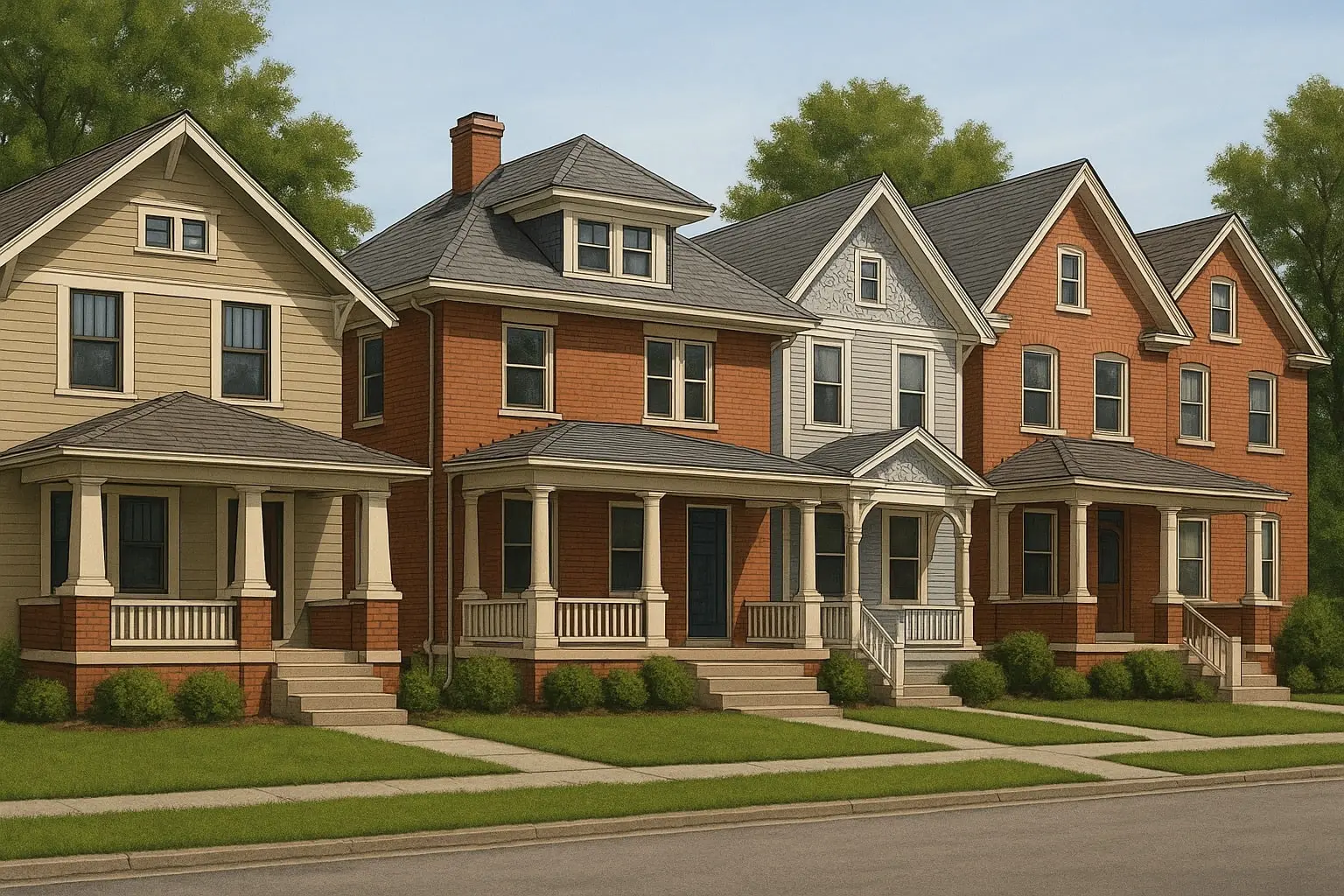
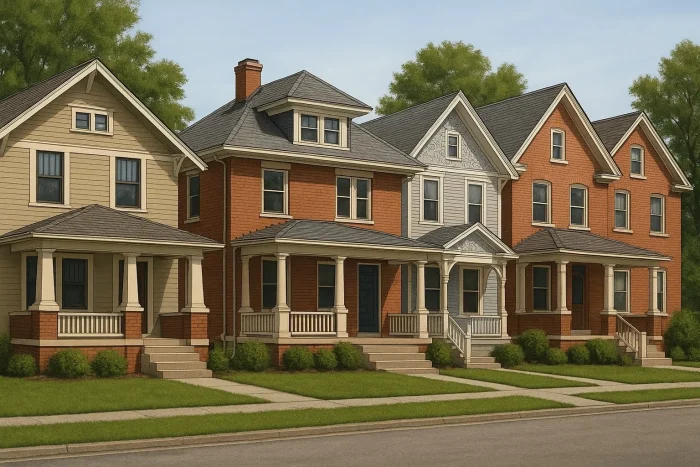
In Kansas City, a historic neighborhood is resisting a wave of demolitions that many residents believe is endangering the heart of their community.
Valentine, a neighborhood just south of downtown, is known for its charming early 1900s homes and tight-knit atmosphere. But over the years, Kansas City Life Insurance Company (KCLI), which is a major property owner in the area, has quietly acquired around 80 parcels — roughly 20% of the neighborhood — many of which remain vacant or were recently cleared. Most controversially, the company cleared 23 homes in recent months, leaving empty lots scattered across the neighborhood.
For local homeowners, the growing number of empty lots isn’t just an eyesore; it’s seen as an existential threat to the character of their neighborhood. “It feels like they’re erasing the community piece by piece,” said one Valentine resident during a neighborhood meeting.
This tension actually isn’t new. Back in 1970s, the company attempted to carry out a redevelopment plan that would have significantly altered the area. The plan was abandoned after facing legal challenges and strong community pushback. Since then, its long-term vision for the area has remained unclear, but its acquisitions haven’t stopped.
In April 2025, the Valentine Neighborhood Association made a brave move by filing a petition to designate the area as a local historic district. If approved, the designation would require review of any future demolitions or new construction, adding a layer of protection for the neighborhood’s unique character.
Not surprisingly KCLI opposes the proposal, claiming it would limit future development. But for many locals, it’s a way to ensure that any future growth still includes them and respects the community’s history.
The city’s Historic Preservation Commission will review the petition on May 16. Whatever the outcome, the story unfolding in Valentine reflects a broader issue seen in many U.S. cities: the struggle to preserve identity while managing growth.