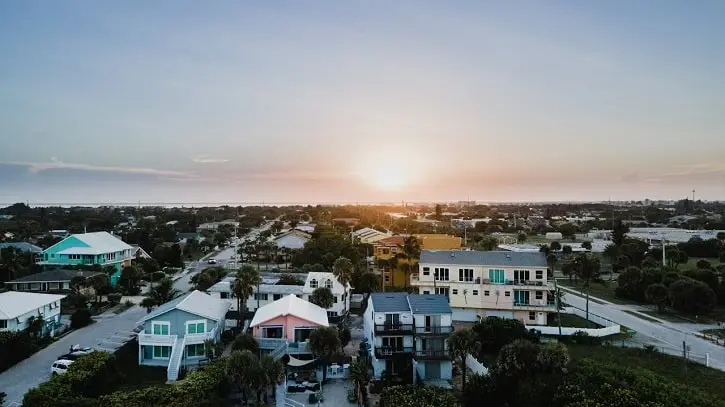
Florida is a top destination for homebuyers worldwide, offering everything from warm weather to strong investment opportunities. If you’re a foreign buyer considering purchasing property in Florida, you’ll be happy to know that ownership is straightforward. Unlike in some countries, where foreigners face restrictions, in Florida, you can own property permanently with no limitations.
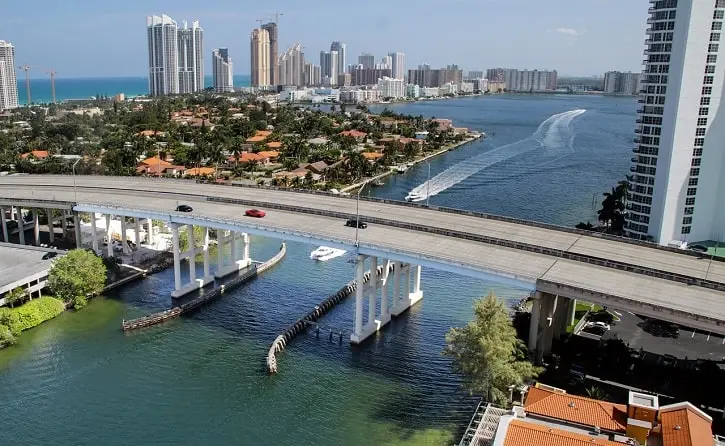
Foreign Ownership: No Restrictions, Full Rights
Foreign buyers can fully own real estate in Florida without any special permits or temporary leasehold agreements. When you purchase a home, you own both the land and the building outright, with no expiration date. This makes Florida an attractive option for those seeking long-term stability and investment growth.
Living in Florida: Do You Need a Visa?
While buying property is easy, living in Florida full-time is a different matter. Ownership does not grant residency, so your ability to stay long-term depends on your visa status. If you plan to visit seasonally, a B-2 tourist visa allows short stays. If you want to reside in Florida more permanently, investor visas like the E-2 or EB-5 might be an option, depending on your financial and business plans. However, many foreign buyers purchase vacation homes or rental properties without needing a visa at all.
Cash vs. Financing: Why Paying Cash is Best
Many foreign buyers find paying cash to be the most straightforward and advantageous option when purchasing a home in the U.S. It simplifies the process, eliminates the complexities of securing a mortgage, and makes your offer more competitive in a crowded market. Additionally, paying in cash can help you avoid the hefty down payments (30–50%) and higher interest rates that U.S. banks typically require for foreign buyers due to the perceived risk. If you do decide to buy with cash, setting up a U.S. bank account can help streamline transactions and manage ongoing expenses.
Taxes and Financial Considerations
Owning property in Florida comes with tax responsibilities. While you’ll pay the same property tax rates as U.S. residents, you won’t qualify for homestead exemptions, which reduce taxes for primary residences. If you decide to rent out your property, you may be subject to U.S. income tax on rental earnings. Additionally, under the Foreign Investment in Real Property Tax Act (FIRPTA), the IRS may withhold 15% of the sale price when you sell, though you may be eligible for a refund by filing the appropriate tax documents.
Additional Costs to Consider
Beyond the purchase price, foreign buyers should budget for ongoing expenses, including:
- Property Insurance – Required in many cases, especially in hurricane-prone areas.
- HOA Fees – If you buy in a community with a homeowners association, fees may apply.
- Property Management – If you don’t plan to live in Florida full-time, hiring a property manager can help maintain the home and handle rentals.
- Closing Costs – These include title insurance, attorney fees, and other transaction-related expenses.
Choosing the Right Property Type
Different types of properties offer unique benefits. Condos provide a low-maintenance lifestyle, though they may come with rental restrictions. Single-family homes offer more flexibility, allowing for personalized modifications but often come with higher upkeep costs. Pre-construction homes offer the potential for appreciation as their value may increase over time, but they typically come with longer wait times before you can move in.
Who Can Help?
Navigating the U.S. real estate market can be complex, especially for foreign buyers, so assembling the right team is essential. A real estate agent can help you find the right property and guide you through the buying process, especially if they have experience working with international clients. If you won’t be living in Florida year-round, hiring a property manager can ensure your home is well-maintained and, if needed, rented out smoothly. A real estate attorney is also valuable for handling contracts, legal matters, and ensuring a smooth closing process.
While a real estate agent may have a general understanding of taxes and costs, U.S. tax laws, such as FIRPTA, income tax on rental properties, and other financial obligations, can be complex. Depending on your situation, working with a tax professional might be necessary to ensure compliance and avoid unexpected tax issues.
Final Thoughts: A Strong Investment Opportunity
Buying a home in Florida as a foreigner is not only possible but also a great long-term investment. Unlike in some countries, you can own property permanently, with no restrictions on your rights as an owner. If you have the funds available, paying cash can make the process smoother and help you secure better deals. Whether you’re purchasing a vacation home, a rental property, or a future residence, Florida remains one of the best markets for international buyers.