Buying a home is one of the biggest investments you’ll ever make, and skipping a home inspection can be a costly mistake. Why? Florida homes face challenges due to the unique climate and weather conditions that aren’t as common elsewhere. A thorough inspection can uncover potential problems. It gives buyers the opportunity to address issues before finalizing a purchase.
Common Issues in Florida Homes
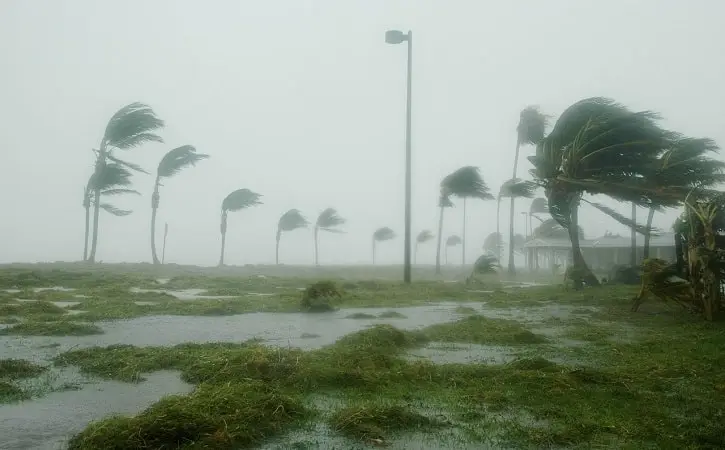
Florida homes are built to withstand heat, humidity, and storms, but that unfortunately doesn’t mean they’re perfect, free from problems. Hurricane damage is always a concern, particularly with roofs, windows, and structural integrity. Roof condition is a major issue. Intense sun and tropical storms can cause wear and tear it faster than in other states. Due to high humidity mold and moisture damage are common. Not to mention termite infestations as constant annoying threats. Flood risks vary by location, therefore buyers should be aware of the history of water damage and potential vulnerabilities.
What a Home Inspection Covers
A standard home inspection is a comprehensive evaluation of a property’s condition. An inspectors typically check the roof, foundation, HVAC system, plumbing, electrical wiring, and overall structural integrity. They also look for signs of water damage, leaks, or ventilation problems. While a general inspection provides a broad overview, it’s important to remember that some other issues, like termite damage or flood risks, may require specialized evaluations.
Beyond the standard inspection, homebuyers should consider additional specialized inspections. A wind mitigation inspection can determine whether a home has special features that can reduce storm damage. Termite inspections are also crucial in Florida. Wood-destroying pests can cause severe damage if left undetected and untreated. Lastly, a flood risk assessment can help them understand if the property is vulnerable to flooding and if flood insurance is required in the area.
How to Choose a Reliable Home Inspector
Unfortunately not all home inspectors are equally qualified, so choosing the right one for you is important. Look for inspectors who are licensed and certified, with experience in Florida homes for sure. You can read reviews, check references, and ask about the process to ensure you’re hiring a professional who will provide you a thorough evaluation. Some of the red flags to watch for are vague reports, rushed inspections, or inspectors seem hesitant to answer questions. A decent inspector should take their time, be transparent, and provide detailed explanations about any concerns that they find.
What to Do After the Inspection
Once the inspection is complete, buyers receive a detailed report that outlines any issues. When interpreting the report, they might find some minor problems that are easily fixed. Unfortunately others could be deal-breakers. If significant issues arise, buyers can negotiate with the seller for repairs, ask for a price reduction, or, in some cases walk away from the deal. Understanding which repairs are urgent and which can be addressed later will help buyers make informed decisions.
Why Attending the Inspection Matters
Many home inspectors prefer buyers to be present during the inspection. The reason is because it allows them to explain their findings right away and answer any questions. Being there in person lets buyers see potential problems firsthand. That’s much better than relying solely on a written report. It’s also a great opportunity for them to discuss with the inspector about maintenance tips, potential repair costs, and which issues are serious versus minor. Attending can be especially valuable for first-time buyers or those who are unfamiliar with homes in Florida.
A home inspection isn’t just a formality. It’s a crucial step in protecting your investment. It is definitely worth it. By taking the time to understand the process, choosing the right inspector, and being actively involved, buyers can gain have peace of mind and also avoid unexpected surprises down the road.