Buying a home is an exciting milestone, but unfortunately many first-time homebuyers in Florida are surprised by the hidden costs that come with it. They are not prepared. Beyond the sale price, there are several financial considerations to keep in mind. From property taxes to long-term maintenance, this article will break down the hidden costs of buying a Florida home so you can budget properly and avoid financial surprises.
Upfront Costs:
-
Property Taxes
Property taxes are one of the most significant costs for homeowners in Florida. While Florida’s average effective property tax rate of 0.82% is lower than the national average of 0.90%, the actual amount you pay can vary based on the property’s value, location, and county tax rates. For example, a $300,000 home would have an estimated annual property tax of around $2,460. Additionally, Florida’s property tax assessments are based on market value, meaning that if property values rise, your taxes could increase as well. So It’s important for you to research local tax rates and to consider potential increases when budgeting for your new home.
-
HOA Fees
Many communities in Florida are governed by a Homeowners Association (HOA) which are called Gated communities. While HOA fees vary widely, they can be an unexpected cost for buyers. The average monthly fee is around $250, totaling approximately $3,000 per year. The cost usually depends on the services and amenities provided. Keep in mind that fees may increase over time. So, check the HOA fees, what they cover, and any potential future increases before committing to a home purchase. Since these fees impact your overall affordability, it’s important to include them in your budget.
-
Closing Costs
Closing costs typically range from 2% to 5% of the home’s purchase price. For a $300,000 home, this means an additional expense of $6,000 to $15,000. These costs cover essential services such as home inspections, escrow fees, and attorney fees. While closing costs are an unavoidable part of buying a home, understanding them in advance can definitely help you budget more effectively.
Insurance Might Be Mandatory
While homeowners insurance is typically required by lenders, there are additional types of insurance that might be mandatory based on your home’s location. If your property is in a designated flood zone, flood insurance will usually be required. It’s crucial to factor it into your overall budget, especially if you’re buying in a high-risk area.
Long-Term Costs (As Time Passes):
-
Home Maintenance
Owning a home in Florida means taking on long-term maintenance responsibilities. Florida’s humid climate and salt air can wear and tear quickly certain elements of the home. Common maintenance costs include HVAC servicing (especially for air conditioning), roof repairs, and pest control. These costs unfortunately can add up over time, so it’s essential to factor in your maintenance budget.
-
Utility Costs
Florida’s hot climate means that air conditioning will likely be running for much of the year. While many people expect high cooling bills in the summer months, utility costs can be high year-round in some areas. Beyond cooling, water, sewage, and electricity costs may be higher than expected depending on the size of the home, the location, and your usage. Be sure to inquire about average utility costs when considering a home.
-
Flooding and Storm Preparedness
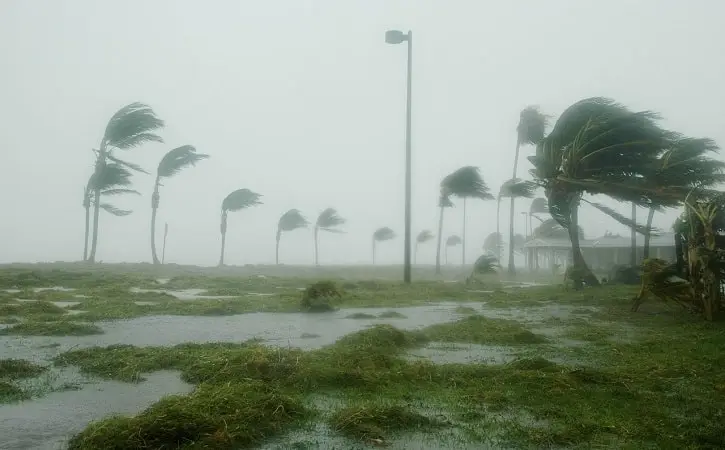
Given the state’s vulnerability to hurricanes and flooding, it’s essential to be prepared for storm-related costs, such as installing storm shutters, reinforcing your roof, or purchasing flood barriers. Furthermore, if you live in a flood-prone area, the cost of flood insurance could significantly impact your budget.
-
Landscaping
Florida’s tropical climate requires regular landscaping and maintenance to keep your yard looking nice. While landscaping can be enjoyable, no question about it, it can also be an ongoing expense, especially with the need for frequent lawn care, pest control (like mosquitoes), and water. Be sure to plan for regular landscaping maintenance for the property that includes a yard.
Older Homes and Repairs:
-
Repairs for Older Homes
If you’re buying a resale home, especially an older one, repairs and upgrades are often necessary. Florida’s climate can cause specific issues like mold, rust, and water damage that may not be immediately visible. You may need to replace or repair plumbing, electrical systems, or roofing in older homes. Make sure to budget for repairs and conduct thorough inspections to identify any potential issues before finalizing your purchase.
Permitting Costs for Renovations:
-
Renovating? Consider Permitting Costs
If you plan to make any changes or renovations to your new home, you’ll need to consider permitting costs. Florida has strict regulations on home renovations, especially for structural changes or additions. Permits for renovations can come with fees, and failing to obtain the necessary permits can lead to fines or issues when selling the home in the future. Always check with local authorities to ensure you’re in compliance with all building codes before beginning a renovation project.
When buying a home in Florida, it’s essential to look beyond the asking price and consider the hidden costs involved. From property taxes and HOA fees to long-term expenses like maintenance and storm preparedness, Florida homeowners need to plan for a range of ongoing costs. By understanding these hidden costs and budgeting accordingly, you can avoid financial surprises and ensure that your homeownership experience in the Sunshine State is as smooth as possible.